
Health & Alerts
Decoding Feeding Refusal: When and Why Appetite Drops
1 min read
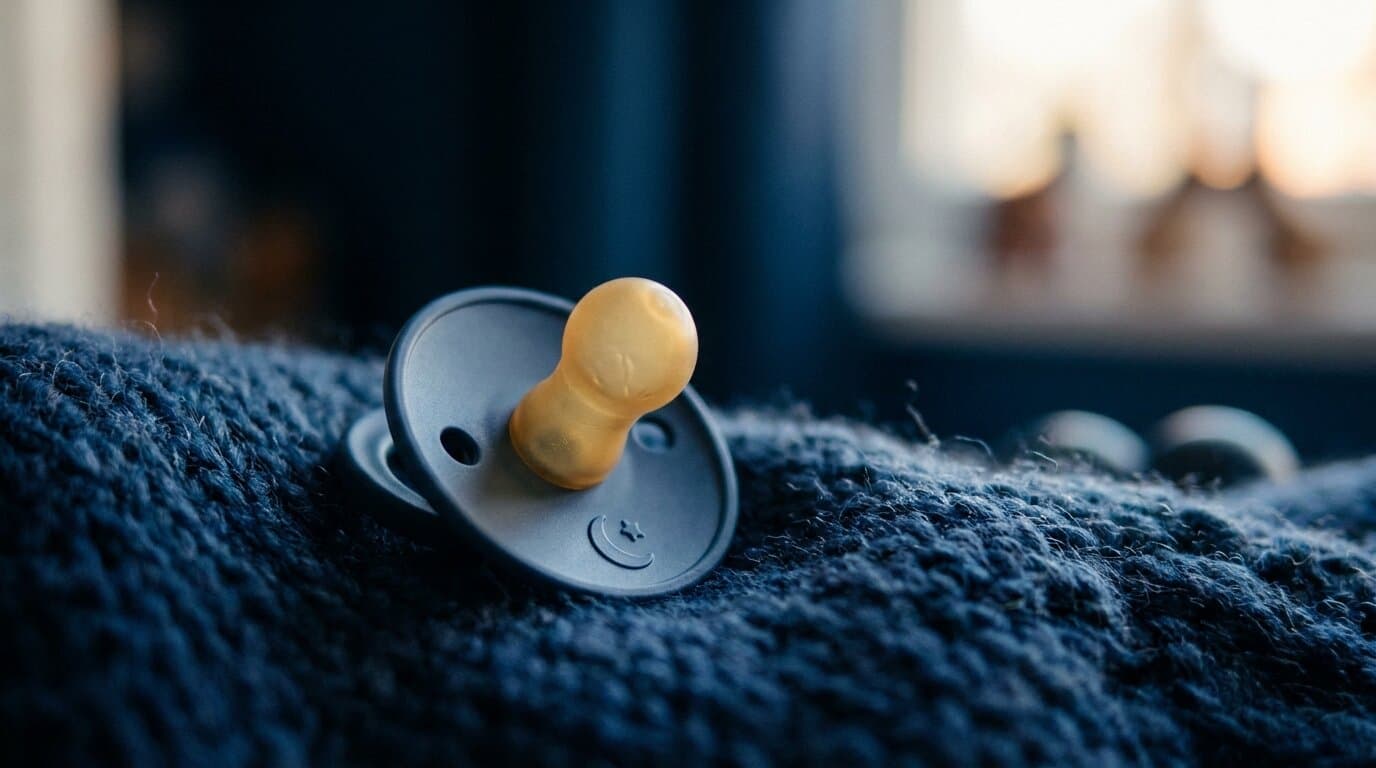
It can be deeply distressing for a parent when a baby suddenly refuses to eat. Babies rely on sucking for both nutrition and comfort, so a sudden, drastic refusal to feed almost always points to localized physical discomfort. Common culprits include:
- Mouth Soreness: Intense teething pain, hand-foot-and-mouth sores, or oral thrush can make the act of sucking incredibly painful.
- Sore Throat or Ear Infection: The swallowing mechanism causes pressure shifts in the middle ear, which can turn a comfortable feeding session into an agonizing experience if ears are inflamed.
- Nasal Congestion: Because infants are obligate nasal breathers (meaning they naturally breathe through their nose), a stuffed-up nose makes it nearly impossible for them to latch and breathe simultaneously.
If your baby is refusing feeds, try clearing their nasal passages with a saline spray and an aspirator before offering a bottle or breast. You can also try feeding them in a more upright position to ease ear pressure. Monitor their wet diaper count closely, and contact your doctor if the refusal persists.
Track it the easy way
Ziggy logs sleep and feeds in a tap and shows the next age-appropriate wake window.
Get Ziggy